Pets for Older Adults: Benefits and How to Choose

TrustedHomeCare TeamAuthor
November 13, 2026
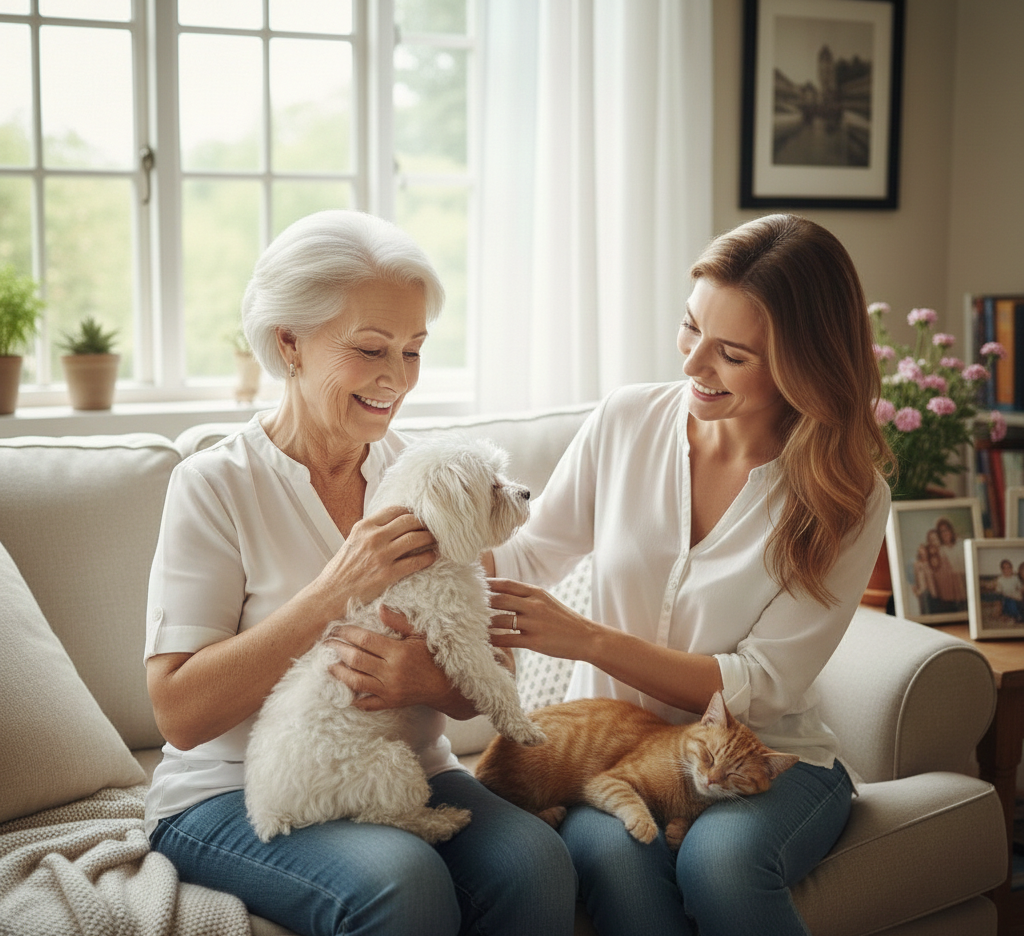
Ask anyone who shares a home with an animal and they will tell you the same thing: the pet is not decoration. The dog needs a walk at seven, whether or not anyone feels like getting up. The cat expects breakfast.
For older adults, that rhythm can be genuinely therapeutic. It can also become a burden when health changes and no plan exists. The difference usually comes down to choosing well and thinking ahead.
The research on pets and aging is not uniform, and results vary by study design. Still, several benefits show up repeatedly in both the literature and in practice.
A pet is a multi-year commitment, and the person adopting may change considerably during that time. Work through these before visiting a shelter.
Who handles the physical work? Lifting a bag of food, scooping a litter box and managing a leash on icy pavement are real tasks. Be specific about who does them.
What happens if the owner is hospitalized? Have a named person and a written plan. Shelters routinely receive animals whose older owners had no backup.
What is the true cost? Food is the smallest line item. Veterinary care, dental work, grooming and unexpected illness add up, and older pets often need more attention. Ask the shelter for a realistic annual estimate.
Does the home work? Stairs, slippery floors, narrow doorways and balcony railings all matter. So do lease rules, homeowner association restrictions and building pet policies.
Are there health considerations? A doctor should be consulted when someone is immunocompromised, has severe allergies, or is on medications that affect infection risk. Some animals and tasks carry specific risks that are worth discussing directly.
Is there fall risk? A large, enthusiastic dog that pulls can be dangerous for someone with balance problems. A calm, smaller animal is often the safer match.
Dogs offer the most companionship and the most physical demand. For an active older adult, a small or medium adult dog with a settled temperament can be ideal. Avoid high-energy puppies and strong pullers. Breed is a starting point, not a guarantee — an individual dog's age and temperament matter more.
Cats suit people who want company without a walking schedule. They are generally more independent, quieter, and content in smaller homes. Litter box maintenance is the main physical task, and there are low-entry boxes that reduce bending.
These work well for someone who wants routine and something to watch without physical demands. Be aware that birds can be loud and long-lived, and that aquariums require maintenance. Small rodents are short-lived, which some people find difficult.
Senior pets are often the best match: calmer, already trained, and frequently overlooked by adopters. Many shelters waive or reduce adoption fees for older animals and can tell you about known health conditions.
Full ownership is not the only option. Fostering a shelter animal for a few weeks, volunteering to walk dogs, or joining a visiting pet program all provide contact without a permanent obligation. Local shelters can point you toward reputable options.
There is no shame in needing help with pet care. A caregiver can walk the dog midday, refill bowls, carry heavy bags, clean the litter box or drive to a veterinary appointment. Keeping the animal is often better for the person's wellbeing than rehoming, provided the practical load is shared.
Q: What is the best pet for someone with limited mobility?
A calm adult cat or a small, quiet dog is usually the most manageable. Consider a low-entry litter box, raised food bowls, and a short, flat walking route. Ask the shelter about the individual animal's energy level rather than relying on breed.
Q: Is it safe for older adults to keep pets?
For most people, yes, with attention to tripping hazards, allergies and infection risk. Anyone with a compromised immune system or serious allergies should check with their doctor first.
Q: What if my parent can no longer care for the pet?
Plan early. Identify a family member or friend who would take the animal, and put the arrangement in writing. Rehoming is much easier before a crisis than after one.
Q: Do pets help with memory loss?
Many people with dementia respond warmly to animals, and visits can reduce agitation. Supervision is essential, though, because the person may not remember feeding schedules or may accidentally handle the animal roughly.
A pet can be one of the most meaningful parts of later life, provided the practical details are handled. If pet care has become one more thing on your list, your local TrustedHomeCare office can discuss in-home support that includes help with animals and arrange a free care consultation to see what fits.
For older adults, that rhythm can be genuinely therapeutic. It can also become a burden when health changes and no plan exists. The difference usually comes down to choosing well and thinking ahead.
What a Companion Animal Actually Changes
The research on pets and aging is not uniform, and results vary by study design. Still, several benefits show up repeatedly in both the literature and in practice.
- Movement. Dog owners walk more, simply because the dog asks. Even short, regular walks support circulation, balance and mood. If walking is difficult, a cat or a small indoor pet still keeps hands and attention busy.
- Structure. Feeding, medication for the animal, grooming and vet visits create a schedule. Predictable routine is comforting for people with memory changes.
- Company. Loneliness is a serious health risk for isolated older adults. A pet provides presence during long afternoons and something to talk to.
- A social bridge. Dog walkers meet neighbors, and waiting rooms at the vet turn into conversations. Pet owners are approached more often by strangers, which matters for someone whose social circle has shrunk.
- Purpose. Being needed is its own kind of medicine. Many older adults describe caring for an animal as the reason they get dressed in the morning.
- Calm. Stroking an animal is soothing, and many people report lower stress after even a few minutes of contact.
Honest Questions Before You Adopt
A pet is a multi-year commitment, and the person adopting may change considerably during that time. Work through these before visiting a shelter.
Who handles the physical work? Lifting a bag of food, scooping a litter box and managing a leash on icy pavement are real tasks. Be specific about who does them.
What happens if the owner is hospitalized? Have a named person and a written plan. Shelters routinely receive animals whose older owners had no backup.
What is the true cost? Food is the smallest line item. Veterinary care, dental work, grooming and unexpected illness add up, and older pets often need more attention. Ask the shelter for a realistic annual estimate.
Does the home work? Stairs, slippery floors, narrow doorways and balcony railings all matter. So do lease rules, homeowner association restrictions and building pet policies.
Are there health considerations? A doctor should be consulted when someone is immunocompromised, has severe allergies, or is on medications that affect infection risk. Some animals and tasks carry specific risks that are worth discussing directly.
Is there fall risk? A large, enthusiastic dog that pulls can be dangerous for someone with balance problems. A calm, smaller animal is often the safer match.
Matching the Animal to the Person
Dogs
Dogs offer the most companionship and the most physical demand. For an active older adult, a small or medium adult dog with a settled temperament can be ideal. Avoid high-energy puppies and strong pullers. Breed is a starting point, not a guarantee — an individual dog's age and temperament matter more.
Cats
Cats suit people who want company without a walking schedule. They are generally more independent, quieter, and content in smaller homes. Litter box maintenance is the main physical task, and there are low-entry boxes that reduce bending.
Birds, Fish and Small Animals
These work well for someone who wants routine and something to watch without physical demands. Be aware that birds can be loud and long-lived, and that aquariums require maintenance. Small rodents are short-lived, which some people find difficult.
Older Shelter Animals
Senior pets are often the best match: calmer, already trained, and frequently overlooked by adopters. Many shelters waive or reduce adoption fees for older animals and can tell you about known health conditions.
Lower-Commitment Ways to Have Animals in Your Life
Full ownership is not the only option. Fostering a shelter animal for a few weeks, volunteering to walk dogs, or joining a visiting pet program all provide contact without a permanent obligation. Local shelters can point you toward reputable options.
When a Pet Needs Help
There is no shame in needing help with pet care. A caregiver can walk the dog midday, refill bowls, carry heavy bags, clean the litter box or drive to a veterinary appointment. Keeping the animal is often better for the person's wellbeing than rehoming, provided the practical load is shared.
Frequently Asked Questions
Q: What is the best pet for someone with limited mobility?
A calm adult cat or a small, quiet dog is usually the most manageable. Consider a low-entry litter box, raised food bowls, and a short, flat walking route. Ask the shelter about the individual animal's energy level rather than relying on breed.
Q: Is it safe for older adults to keep pets?
For most people, yes, with attention to tripping hazards, allergies and infection risk. Anyone with a compromised immune system or serious allergies should check with their doctor first.
Q: What if my parent can no longer care for the pet?
Plan early. Identify a family member or friend who would take the animal, and put the arrangement in writing. Rehoming is much easier before a crisis than after one.
Q: Do pets help with memory loss?
Many people with dementia respond warmly to animals, and visits can reduce agitation. Supervision is essential, though, because the person may not remember feeding schedules or may accidentally handle the animal roughly.
Making It Work
A pet can be one of the most meaningful parts of later life, provided the practical details are handled. If pet care has become one more thing on your list, your local TrustedHomeCare office can discuss in-home support that includes help with animals and arrange a free care consultation to see what fits.