Why Older Adults Develop a Different Body Odor

TrustedHomeCare TeamAuthor
November 13, 2026
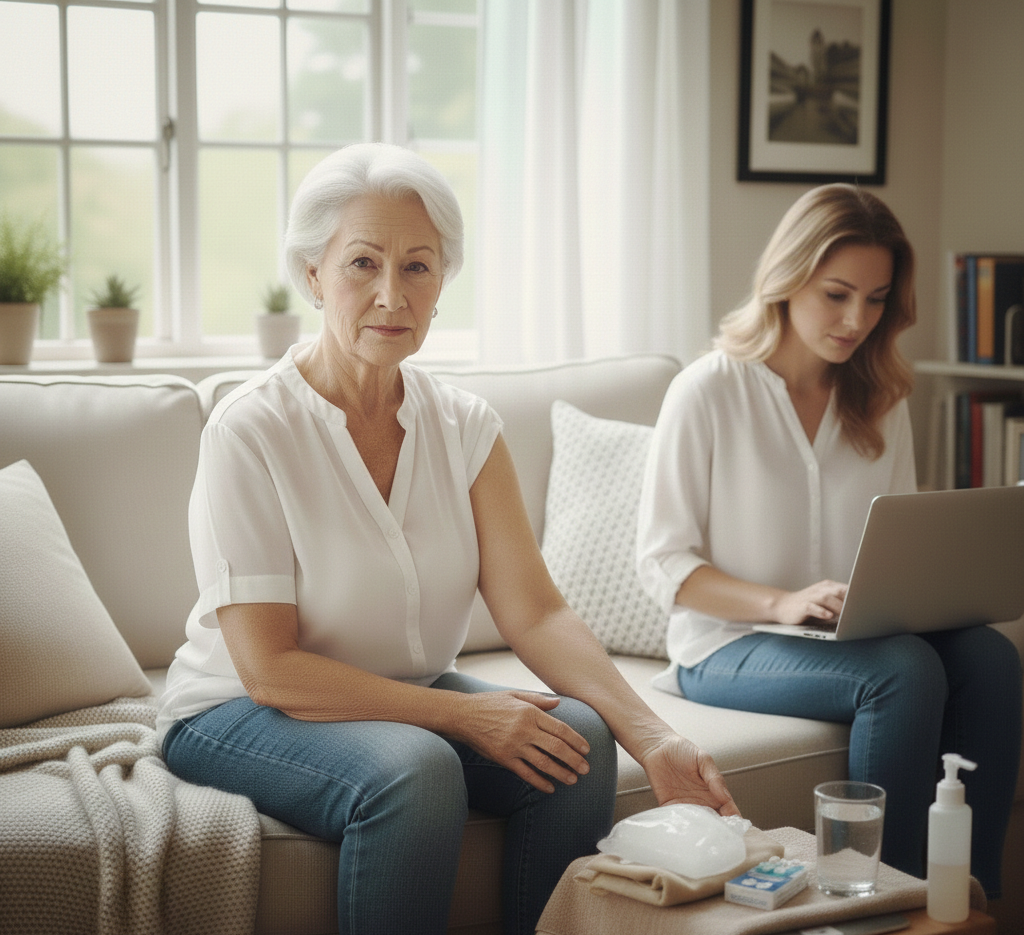
You walk into a parent's bedroom and notice it: a faint, waxy, slightly grassy smell that lingers in the curtains. Nobody wants to bring it up, and the person at the center of it may not notice at all.
That smell is common enough to have picked up an unkind nickname, and it is widely misunderstood. In most cases it has little to do with how often someone showers and a great deal to do with how skin changes over decades.
Researchers who study body odor have identified a specific compound behind the characteristic scent of older skin: 2-nonenal. It is produced when fatty acids on the skin's surface break down, and its concentration rises noticeably as people age.
Two details explain why scrubbing does not solve it. 2-nonenal is not readily soluble in water, so ordinary washing removes only part of it. And production rises just as the skin's natural antioxidant defenses decline, so more of the compound forms and less is neutralized.
None of that is a hygiene failure. It is a predictable biochemical shift that can begin in a person's forties.
Skin is not the only variable. Several normal aging processes nudge body odor in new directions.
Not every change in scent is simply aging. Some causes are worth investigating.
Medication effects. Many drugs alter sweat, saliva or body chemistry, sometimes weeks after a new prescription starts.
Chronic conditions. Uncontrolled diabetes, kidney disease and liver problems can all change how the body handles waste products, and some of that shows up in breath or skin. A persistently sweet, fruity or ammonia-like odor deserves a medical conversation.
Dental and oral health. Dry mouth is common with age and with many medications. Reduced saliva encourages bacterial growth, and gum disease adds its own contribution.
Reduced sense of smell. Older adults often cannot detect their own odor, which is physiology rather than vanity.
Mobility and bathing difficulty. Fear of falling in a wet tub is a very real barrier. So is arthritis that makes fastening a bra or reaching the back difficult. When bathing becomes physically hard, frequency drops.
The room itself. Soft furnishings, carpet, upholstery and pets hold odor. So does laundry that gets folded while still slightly damp.
Diet and alcohol. Certain foods, supplements and alcohol are metabolized more slowly and can influence odor.
Bring it up if the smell arrives suddenly, comes with unexplained weight loss, confusion or excessive thirst, or is distinctly fruity, fishy or ammonia-like. Those patterns can point to something treatable.
Approach the subject as a shared practical problem rather than a personal failing. Saying "the room seems to hold smells more than it used to — can I help with a few changes?" puts you on the same side.
Grab bars, a shower chair, a handheld sprayer and a non-slip mat remove most of the fear that keeps people out of the tub. A bidet seat or no-rinse cleansing foam can replace a full shower on hard days. A caregiver trained in personal care can also make the routine faster and less tiring.
Hot water and harsh soap strip the skin, and dryness increases odor. Lukewarm water, a mild pH-balanced cleanser and a moisturizer applied while skin is still damp support the barrier. Skip heavily perfumed products, which layer fragrance over the problem.
Wash bedding, towels and frequently worn clothing on a regular schedule, and dry everything completely. Curtains, throw blankets and mattress pads collect odor over months. Replacing worn pillows and cleaning machine filters helps more than people expect.
Open windows when weather allows, run the bathroom fan during and after showers, and consider a HEPA air purifier in the bedroom. Clutter blocks air circulation, so a modest decluttering pass helps.
Offer water throughout the day, and if a doctor has restricted fluids for heart or kidney reasons, follow that guidance instead of general advice. Schedule dental checkups and ask about dry-mouth products.
Q: Is this smell a sign that someone is unwell?
Usually not. Age-related skin chemistry is the most common explanation. But a sudden change, or an odor that is fruity, fishy or ammonia-like, is worth mentioning to a doctor.
Q: Does more frequent showering solve it?
Not entirely. Daily washing can irritate fragile skin, and 2-nonenal resists water. Gentler products, easier bathing setups, textile hygiene and ventilation usually achieve more than scrubbing harder.
Q: How do I bring this up with my mother without hurting her?
Keep it brief, private and practical. Avoid the word "smell" if you can; talk about laundry, the room, or making the shower safer. Offer to help rather than to correct.
Q: Can diet make it worse?
It can contribute. Spices, garlic, alcohol and some supplements are processed more slowly with age. Mention any patterns you notice to a doctor rather than eliminating foods on your own.
Personal care is delicate work, and it goes better with someone who has done it many times. If bathing, grooming or housekeeping has become a source of friction at home, your local TrustedHomeCare office can explain the support available and arrange a free care consultation — no pressure, just a clear picture of the options.
That smell is common enough to have picked up an unkind nickname, and it is widely misunderstood. In most cases it has little to do with how often someone showers and a great deal to do with how skin changes over decades.
It Is Chemistry, Not Character
Researchers who study body odor have identified a specific compound behind the characteristic scent of older skin: 2-nonenal. It is produced when fatty acids on the skin's surface break down, and its concentration rises noticeably as people age.
Two details explain why scrubbing does not solve it. 2-nonenal is not readily soluble in water, so ordinary washing removes only part of it. And production rises just as the skin's natural antioxidant defenses decline, so more of the compound forms and less is neutralized.
None of that is a hygiene failure. It is a predictable biochemical shift that can begin in a person's forties.
What Else Changes With Age
Skin is not the only variable. Several normal aging processes nudge body odor in new directions.
- Slower cell turnover. Dead skin cells stay on the surface longer, holding onto oils and odor compounds.
- Different sebum and sweat output. Sebaceous and sweat gland activity shifts, altering the skin's chemistry and its bacterial population.
- Lower skin acidity. Skin becomes slightly less acidic, which can favor different microbes.
- Less effective skin barrier. Dryness and thinning make skin more permeable, and some odor compounds are released more readily.
Other Reasons an Older Adult May Smell Different
Not every change in scent is simply aging. Some causes are worth investigating.
Medication effects. Many drugs alter sweat, saliva or body chemistry, sometimes weeks after a new prescription starts.
Chronic conditions. Uncontrolled diabetes, kidney disease and liver problems can all change how the body handles waste products, and some of that shows up in breath or skin. A persistently sweet, fruity or ammonia-like odor deserves a medical conversation.
Dental and oral health. Dry mouth is common with age and with many medications. Reduced saliva encourages bacterial growth, and gum disease adds its own contribution.
Reduced sense of smell. Older adults often cannot detect their own odor, which is physiology rather than vanity.
Mobility and bathing difficulty. Fear of falling in a wet tub is a very real barrier. So is arthritis that makes fastening a bra or reaching the back difficult. When bathing becomes physically hard, frequency drops.
The room itself. Soft furnishings, carpet, upholstery and pets hold odor. So does laundry that gets folded while still slightly damp.
Diet and alcohol. Certain foods, supplements and alcohol are metabolized more slowly and can influence odor.
When to Mention It to a Doctor
Bring it up if the smell arrives suddenly, comes with unexplained weight loss, confusion or excessive thirst, or is distinctly fruity, fishy or ammonia-like. Those patterns can point to something treatable.
Helping Without Humiliating
Approach the subject as a shared practical problem rather than a personal failing. Saying "the room seems to hold smells more than it used to — can I help with a few changes?" puts you on the same side.
Make Bathing Easier
Grab bars, a shower chair, a handheld sprayer and a non-slip mat remove most of the fear that keeps people out of the tub. A bidet seat or no-rinse cleansing foam can replace a full shower on hard days. A caregiver trained in personal care can also make the routine faster and less tiring.
Choose Gentler Products
Hot water and harsh soap strip the skin, and dryness increases odor. Lukewarm water, a mild pH-balanced cleanser and a moisturizer applied while skin is still damp support the barrier. Skip heavily perfumed products, which layer fragrance over the problem.
Reset the Textiles
Wash bedding, towels and frequently worn clothing on a regular schedule, and dry everything completely. Curtains, throw blankets and mattress pads collect odor over months. Replacing worn pillows and cleaning machine filters helps more than people expect.
Improve Airflow
Open windows when weather allows, run the bathroom fan during and after showers, and consider a HEPA air purifier in the bedroom. Clutter blocks air circulation, so a modest decluttering pass helps.
Support Hydration and Oral Care
Offer water throughout the day, and if a doctor has restricted fluids for heart or kidney reasons, follow that guidance instead of general advice. Schedule dental checkups and ask about dry-mouth products.
Frequently Asked Questions
Q: Is this smell a sign that someone is unwell?
Usually not. Age-related skin chemistry is the most common explanation. But a sudden change, or an odor that is fruity, fishy or ammonia-like, is worth mentioning to a doctor.
Q: Does more frequent showering solve it?
Not entirely. Daily washing can irritate fragile skin, and 2-nonenal resists water. Gentler products, easier bathing setups, textile hygiene and ventilation usually achieve more than scrubbing harder.
Q: How do I bring this up with my mother without hurting her?
Keep it brief, private and practical. Avoid the word "smell" if you can; talk about laundry, the room, or making the shower safer. Offer to help rather than to correct.
Q: Can diet make it worse?
It can contribute. Spices, garlic, alcohol and some supplements are processed more slowly with age. Mention any patterns you notice to a doctor rather than eliminating foods on your own.
Support That Preserves Dignity
Personal care is delicate work, and it goes better with someone who has done it many times. If bathing, grooming or housekeeping has become a source of friction at home, your local TrustedHomeCare office can explain the support available and arrange a free care consultation — no pressure, just a clear picture of the options.